Understanding Representation in OFAC Matters Legal Strategies and Defense 1520820066

Understanding Representation in OFAC Matters: Legal Strategies and Defense
In the complex world of international trade and finance, the role of the Office of Foreign Assets Control (OFAC) is critical. Companies and individuals must navigate numerous regulations to ensure compliance, especially given the potential ramifications of violations. Thus, the need for skilled legal representation in OFAC matters becomes imperative. This article delves into OFAC’s role, the importance of legal representation, and strategies for defense in OFAC-related cases.
What is OFAC?
The Office of Foreign Assets Control is an office of the U.S. Department of the Treasury. It administers and enforces economic and trade sanctions based on U.S. foreign policy and national security goals against targeted foreign countries and regimes, terrorists, international narcotics traffickers, and others involved in activities that pose a threat to the national security, foreign policy, or economy of the United States. OFAC issues a series of regulations to enforce these sanctions, which can significantly impact businesses and their operations.
The Importance of Compliance
Compliance with OFAC regulations is not just best practice; it is a legal requirement. Individuals and entities can face severe penalties, including hefty fines, asset freezes, and even criminal charges, for non-compliance. Therefore, understanding the nature of OFAC regulations, potential implications of violations, and how to mitigate risks is crucial for anyone engaged in international trade or banking.
The Role of Legal Representation
Given the complexities involved in OFAC regulations, obtaining proficient legal representation is vital. As the fines for violations can reach into millions of dollars, and the reputational damage can be irrevocable, the right legal advisor can help navigate the challenges posed by these regulations. Their responsibilities may include:
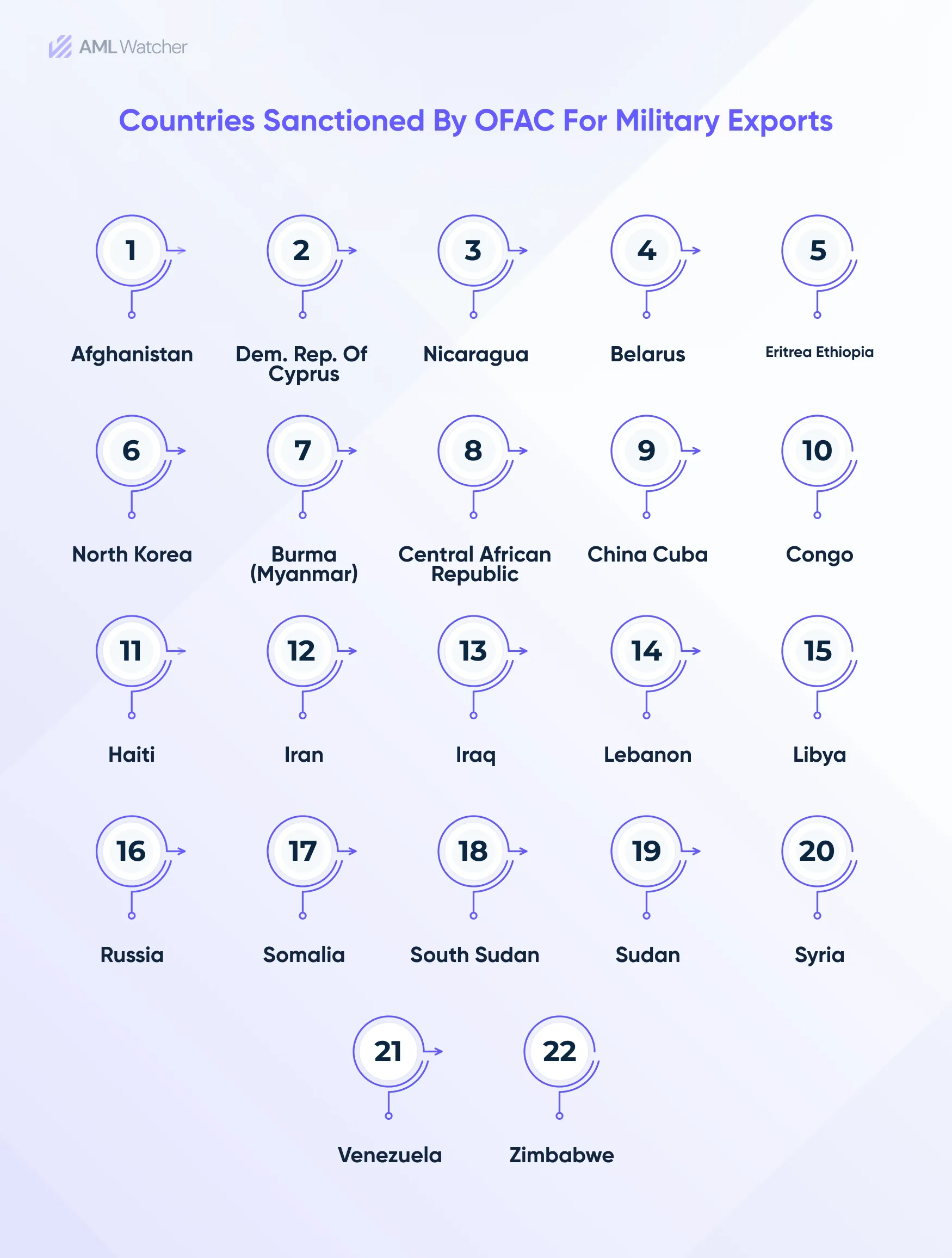
- Providing guidance on compliance issues.
- Conducting internal audits to ensure policies are compliant with OFAC regulations.
- Preparing responses to OFAC inquiries or investigations.
- Representing clients in enforcement actions.
- Assisting in negotiating settlements with OFAC when violations have occurred.
Common OFAC Violations
Many companies unwittingly violate OFAC regulations. Common violations include:
- Conducting business with sanctioned individuals or countries.
- Failing to block property or interests subject to sanctions.
- Engaging in transactions involving currency from a sanctioned country.
- Not maintaining adequate compliance programs or controls.
Strategies for Mitigating OFAC Risks
To avoid OFAC violations, companies should adopt several risk-mitigation strategies, including:
1. Regular Training
Providing training sessions for employees on the significance of OFAC compliance can significantly reduce the risk of violations. Employees need to understand who the sanctioned individuals and countries are, as well as the types of transactions that require scrutiny.
2. Effective Compliance Programs
Establishing a robust compliance program that includes a risk assessment process, ongoing monitoring, and clear internal policies can assist in identifying potential violations before they occur.
3. Use of Technology
Implementing software solutions designed for OFAC compliance can help organizations effectively screen transactions and customers against sanction lists, increasing overall compliance and reducing manual errors.
Responding to OFAC Investigations
If an organization becomes the subject of an OFAC investigation, immediate legal representation is essential. Key steps in responding to an OFAC inquiry include:
- Engaging legal counsel immediately to assess the situation.
- Gathering all relevant documents, correspondence, and internal communications.
- Understanding the potential legal ramifications of the investigation.
- Cooperating with OFAC while protecting the organization’s interests.
Conclusion
The landscape of international trade and finance is fraught with challenges, and navigating the regulations set forth by the Office of Foreign Assets Control is no small task. Effective legal representation is vital in interpreting these regulations, ensuring compliance, and protecting clients from the severe consequences of potential violations. By establishing robust compliance programs, training employees, and promptly addressing any inquiries or investigations, organizations can significantly reduce their risks associated with OFAC matters. In a world where compliance is key to operational integrity, having a knowledgeable legal advisor can make all the difference.