Alcohol and dementia risk
Each combined multiple research studies to reach a consensus on alcohol consumption and the development of dementia. Long-term heavy drinking can also result in a lack of vitamin B1 (thiamine) and Wernicke-Korsakoff syndrome which affects short-term memory. Drinking alcohol in moderation has not been conclusively linked to an increased risk of dementia.
The Recovery Village Columbus
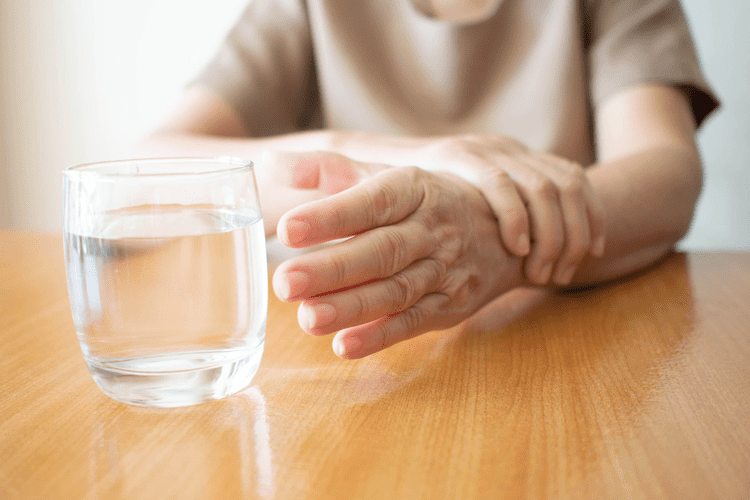
Drinking alcohol is linked to reduced volume of the brain’s white matter, which helps to transmit Substance abuse signals between different brain regions. Alcohol consumption above recommended limits (of 14 units per week) over a long period of time may shrink the parts of the brain involved in memory. Drinking more than 28 units per week can lead to a sharper decline in thinking skills as people get older. Evidence shows that excessive alcohol consumption increases a person’s risk of developing dementia. Artificial sweeteners are often marketed as a “safe” alternative to sugar, but growing evidence suggests they may indirectly increase dementia risk through several biological pathways.

Meet our Volunteer Support Group Facilitators!
- The right to give, to gather, and to celebrate, are as vital as any policy change.
- Unlike other dementias, ARD has shown recovery after abstinence, even within a week, though further recovery of cognitive abilities can continue over several years (42).
- The three main types of alcohol-related brain damage are Wernicke encephalopathy, Korsakoff syndrome and alcoholic dementia.
- In general, it is easier to diagnose and treat ARBD if someone is admitted to hospital.
Alcohol-related brain damage (ARBD) is any https://ecosoberhouse.com/ brain damage that comes from overusing alcohol. Healthcare providers can suggest treatments to manage the symptoms you experience. You might partially regain some of your ability to use your brain if you stop drinking.
About alcohol-related brain injury
Scientists don’t yet know why heavy drinking causes severe thiamine deficiency in some alcoholics, while others may be affected primarily by alcohol’s effects on the liver, stomach, heart, intestines or other body systems. Sign up for our e-news to receive updates about Alzheimer’s and dementia care and research. It is interesting to note that the prevalence data of ARD is from the cohort that consists mainly of today’s alcohol induced dementia younger and middle-aged generation. Thus, it might be predicted that ARD rates would be even higher in the future, given that chronic alcohol misuse will continue. Hence, it becomes important for the studies to include those less than 60 years of age (16). An English epidemiological study of younger-onset dementia (onset before 65 years) found 10% rates of ARD (17).
Summary of human studies
- Globally, modifiable risk factors (including alcohol misuse and AUD) account for up to 45% of dementia cases.
- However, the ARD groups had poorer performance on visuospatial measures, including clock drawing and copying tasks.
- Treatment typically involves the use of thiamine supplements in oral or injected forms.
- Drinking a large amount of alcohol in a single session is known as ‘binge-drinking’.
- Variations may also be due to the differences in the socio-demography of study samples.
Cognitive rehabilitation, occupational therapy, counseling, and support groups can further help individuals relearn or maintain daily living skills and cope with the emotional and psychological challenges of recovery. It is important to rule out other causes of cognitive decline, such as Alzheimer’s disease, vascular dementia, or other neurological conditions. Accurate diagnosis helps determine the most appropriate treatment plan and sets the stage for potential recovery. Beyond physical and cognitive symptoms, many people with alcohol-related brain damage experience mood swings, irritability, depression, or anxiety. The loss of cognitive function itself can contribute to emotional distress, creating a cycle that may perpetuate alcohol misuse or make it harder to seek help.
- Patients with ARD and WKS have shown cognitive improvement following treatment with memantine, although these findings require replication 68,69.
- With Korsakoff syndrome, damage to the brain and nervous system occurs.By the time Korsakoff syndrome kicks in, a person may not be able to reverse the harmful effects of alcohol consumption.
- Primary progressive aphasia “is a specific type” of FTD, GARD states, and is “caused by a loss of tissue (atrophy) in the area of the brain that is responsible for producing language.”
- Drinking alcohol in moderation has not been conclusively linked to an increased risk of dementia.
- There is a need to develop tools for assessment of alcohol-related cognitive impairment.
The 4 stages of alcoholic dementia
If a person has alcohol-related ‘dementia’, it means that they have damaged their brain by regularly drinking too much alcohol ( known as alcohol-related brain damage, or ARBD). If you stop drinking, it’s possible to at least partially reverse the effects of alcohol-related dementia. Research suggests it’s possible to experience partial recovery of your brain’s white matter, which is accompanied by an improvement in cognitive and motor abilities.